
- Кальбус Ігор
- Кам'яниця Убальдіні
- Канада
- Канів
- Каплиця святого великомученика Юрія Переможця
- Каракіс Йосип
- Кароліно-Бугаз
- Карпати
- Квасов Андрій
- Київ
- КиївЗНДІЕП
- Київпроєкт
- Кодаки
- Козелець
- Коллі Микола
- Коляса Христя
- Костел і монастир бенедиктинок
- Кравець Самуїл
- Кривий Ріг
- Крим
- Кричевський Василь
- Купер Г’ю
- Куфтін Борис
- кам'яниці
- кам'яно-вугільний басейн
- католицьких храмів архітектура
- класицизм
- козацька доба
- колони
- комерційні будівлі
- конструктивізм
- кітч
- Майдан Незалежності
- Майдан Свободи
- Малозьомов Іван
- Марченко Віктор
- Метрополітен Дніпровський
- Метрополітен Київський
- Метрополітен Харківський
- Мечеть Джума-Джамі
- Миколаїв
- Монастир отців Оріоністів
- Монастир святого Онуфрія
- Муса Шаза
- майдани
- метрополітену архітектура
- мечеті
- модерн
- модерна доба
- модернізм
- міжвоєнний період
- мікрорайони
- Павільйон Кримської АРСР
- Палац Бандінеллі
- Палац Корнякта
- Палац ханський (Бахчисарай)
- Пежанський Олександр
- Плаксієв Юрій
- План Великого Запоріжжя
- Площа Ринок
- Покора Адам
- Поле дослідне полтавське
- Полкової канцелярії будинок (Козелець)
- Полкової канцелярії будинок (Чернігів)
- Полтава
- Полтавського губернського земства будинок
- Полянський Анатолій
- Прибутковий будинок С.А. Лаврентьєва
- Приймак Борис
- Прихильний Амвросій
- Просвітництво
- Південне узбережжя Криму
- Піонерський табір «Артек»
- Піонерський табір «Молода гвардія»
- Піонерський табір «Юний ленінець»
- планові міста
- порти
- постмодернізм
- православних храмів архітектура
- прибуткові будинки
- промислова архітектура
- піонерські табори
- післявоєнний період
- США
- Санаторій дитячий «Затока»
- Серафимов Сергій
- Середньовіччя
- Середні віки
- Славутич
- Слуцький Григорій
- Собор Борисоглібський
- Собор Катерининський
- Собор Різдва Богородиці
- Собор Софійський
- Собор Спасо-Преображенський
- Собор вірменський (Львів)
- Собор латинський кафедральний (Львів)
- Соцмісто (Кривий Ріг)
- Співачук Володимир
- Станція дослідна ім. М.І. Вавилова
- Страхове товариство «Дністер»
- Суботів
- Сумар Анатолій
- Сучасність
- Схема Великого Дніпра
- Сходи Потьомкінські
- сакральна архітектура
- села архітектура
- село експериментально-показове
- середньовічна архітектура
- сквот «Автономія»
- соцміста
- соцреалізм
- сталінський ампір
- сучасна архітектура
- сучасне мистецтво
- сходи
- Церквa Пресвятої Трійці (Кергонксон)
- Церква Іллінська
- Церква Катерининська
- Церква Пресвятої Євхаристії (Львів)
- Церква Пресвятої Євхаристії (Торонто)
- Церква Пресвятої Родини (Вінніпег)
- Церква Різдва Пресвятої Богородиці
- Церква Святого Хреста (Тандер-Бей)
- Церква Успіння Пресвятої Богородиці (Борислав)
- Церква Успіння Пресвятої Богородиці (Львів)
- Церква святого Іллі (Циблі)
- Церква святого Йозефа (Вінніпег)
- Церква святого Йосафата (Рочестер)
- Церква святого Михаїла (Тиндал)
- Церква святого Михаїла (Транскона)
- Церква святого Стефана (Калгарі)
- Циблі

Over the last 30 years, Maidan Nezalezhnosti in Kyiv has been a place of the constant political redefinition of space. A place, where ideological and physical control and commercialisation have been colliding and coexisting with each other alongside attempts to ‘bring public dimension’ from below.
Read more
Goodbye, old Dnipro! That year, in the spring, you will wake up as already young Dnipro! Dnipro of electricity of the future, wide and free, like this stormy sea. Geo Shkurupii, Dmytro Buzko
Read more
The development of Kryvyi Rih started with a postal station and later – with a provincial Jewish town. In the 19th century it was surrounded by estates of landlord families of Kolachevsky, Kharin, Yanitsky, Halkovsky, Kharchenko...
Read more
After the Second World War, the attitude towards Jews in the USSR changed dramatically as compared to the interwar period. Until then, the Jewish people had been regarded as a “loyal” minority without a conceivable homeland outside the USSR. (Although as far back as the mid-1930s they were unofficially squeezed out of the administration higher-ups, with an opportunity left for them to pursue careers in the fields of science and culture). However, after the proclamation of the State of Israel in 1948, the Communist party leadership and security services began regarding Soviet Jews, who were cultural professionals, worked at universities or medical institutions, as being a threat. In the territories that had undergone Nazi occupation during the war, this attitude was further intensified by the consequences of three years-long exerting ideological influence of outright anti-Semitic propaganda upon the local population.
Read more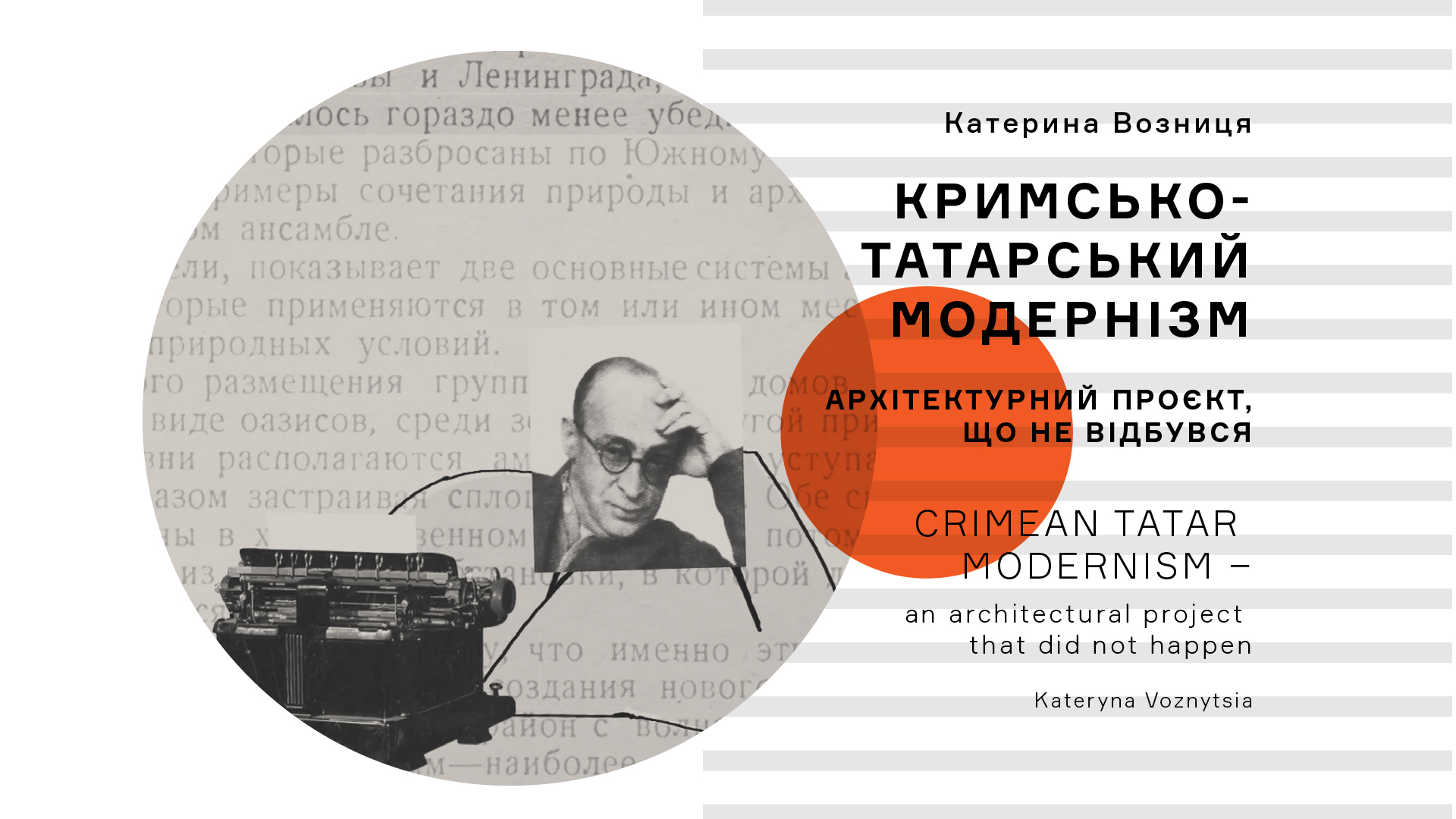
The biography of Moisei Ginzburg (1892–1946), one of the main theorists of Soviet constructivism, reveals some episodes related to the Crimea. Those remained on the margins despite the researchers’ thorough focus on the creative career of the architect. I am inviting the readers to cast a look at how Ginzburg tackled the Crimea issue, and to see whether the experience he gained during his stay on the peninsula influenced his growth as an architect.
Read more