
- Кальбус Ігор
- Кам'яниця Убальдіні
- Канада
- Канів
- Каплиця святого великомученика Юрія Переможця
- Каракіс Йосип
- Кароліно-Бугаз
- Карпати
- Квасов Андрій
- Київ
- КиївЗНДІЕП
- Київпроєкт
- Кодаки
- Козелець
- Коллі Микола
- Коляса Христя
- Костел і монастир бенедиктинок
- Кравець Самуїл
- Кривий Ріг
- Крим
- Кричевський Василь
- Купер Г’ю
- Куфтін Борис
- кам'яниці
- кам'яно-вугільний басейн
- католицьких храмів архітектура
- класицизм
- козацька доба
- колони
- комерційні будівлі
- конструктивізм
- кітч
- Майдан Незалежності
- Майдан Свободи
- Малозьомов Іван
- Марченко Віктор
- Метрополітен Дніпровський
- Метрополітен Київський
- Метрополітен Харківський
- Мечеть Джума-Джамі
- Миколаїв
- Монастир отців Оріоністів
- Монастир святого Онуфрія
- Муса Шаза
- майдани
- метрополітену архітектура
- мечеті
- модерн
- модерна доба
- модернізм
- міжвоєнний період
- мікрорайони
- Павільйон Кримської АРСР
- Палац Бандінеллі
- Палац Корнякта
- Палац ханський (Бахчисарай)
- Пежанський Олександр
- Плаксієв Юрій
- План Великого Запоріжжя
- Площа Ринок
- Покора Адам
- Поле дослідне полтавське
- Полкової канцелярії будинок (Козелець)
- Полкової канцелярії будинок (Чернігів)
- Полтава
- Полтавського губернського земства будинок
- Полянський Анатолій
- Прибутковий будинок С.А. Лаврентьєва
- Приймак Борис
- Прихильний Амвросій
- Просвітництво
- Південне узбережжя Криму
- Піонерський табір «Артек»
- Піонерський табір «Молода гвардія»
- Піонерський табір «Юний ленінець»
- планові міста
- порти
- постмодернізм
- православних храмів архітектура
- прибуткові будинки
- промислова архітектура
- піонерські табори
- післявоєнний період
- США
- Санаторій дитячий «Затока»
- Серафимов Сергій
- Середньовіччя
- Середні віки
- Славутич
- Слуцький Григорій
- Собор Борисоглібський
- Собор Катерининський
- Собор Різдва Богородиці
- Собор Софійський
- Собор Спасо-Преображенський
- Собор вірменський (Львів)
- Собор латинський кафедральний (Львів)
- Соцмісто (Кривий Ріг)
- Співачук Володимир
- Станція дослідна ім. М.І. Вавилова
- Страхове товариство «Дністер»
- Суботів
- Сумар Анатолій
- Сучасність
- Схема Великого Дніпра
- Сходи Потьомкінські
- сакральна архітектура
- села архітектура
- село експериментально-показове
- середньовічна архітектура
- сквот «Автономія»
- соцміста
- соцреалізм
- сталінський ампір
- сучасна архітектура
- сучасне мистецтво
- сходи
- Церквa Пресвятої Трійці (Кергонксон)
- Церква Іллінська
- Церква Катерининська
- Церква Пресвятої Євхаристії (Львів)
- Церква Пресвятої Євхаристії (Торонто)
- Церква Пресвятої Родини (Вінніпег)
- Церква Різдва Пресвятої Богородиці
- Церква Святого Хреста (Тандер-Бей)
- Церква Успіння Пресвятої Богородиці (Борислав)
- Церква Успіння Пресвятої Богородиці (Львів)
- Церква святого Іллі (Циблі)
- Церква святого Йозефа (Вінніпег)
- Церква святого Йосафата (Рочестер)
- Церква святого Михаїла (Тиндал)
- Церква святого Михаїла (Транскона)
- Церква святого Стефана (Калгарі)
- Циблі

Over the last 30 years, Maidan Nezalezhnosti in Kyiv has been a place of the constant political redefinition of space. A place, where ideological and physical control and commercialisation have been colliding and coexisting with each other alongside attempts to ‘bring public dimension’ from below.
Read more
Nowadays, the word "squat" is contained in the dictionary of fashionable terms, somewhere next to "low-fi" and "hub". The squating rhetoric is being actively appropriated by cultural industries and neoliberal economy: they open cafes and design schools under the name of squat, they shoot popular films with the focus on this topic. But not long ago the squating, i.e. self-acquisition of empty buildings, was a necessity and social mission for certain communities.
Read more
Ukrainian architectural modern is one of the most unusual phenomena in the history of Ukrainian architecture. Simply put, it is seen as a purely ethnic style that used "folk motifs." But this is the wrong way. The architecture of this period became part of the global nation-building process. There is a key difference that distinguishes Ukrainian architectural modern from many other styles. It was not forced by the state but arose as a result of base horizontal construction of a new national identity. To be able to implement this idea, the local Ukrainian elite needed, firstly, resources, secondly, professional training, and thirdly, the ideological base. Therefore, architectural modern can be called the child of three major great ideas of its time: modernism, nationalism and social democracy.
Read more
From the construction of the first Belle Époque tube in London to the present day, the subway is like no other transport infrastructure associated with scientific and technological progress and still serves as a sign of a high level of "civilization". The architects of the end of the "long 19th century", as well as the "short 20th century" did not imagine the city of the future without the subway. This type of public transport is still perceived by urban residents as an unconditional benefit, occupying an important place in the identity and evoking a sense of pride and affection.
Read more
The Renaissance literature begins with The Decameron by Giovanni Boccaccio – the story about ten young men and ladies from prosperous families go to a country estate escaping from the plague & entertain each other by sharing the stories. The Decameron is not just about the plague, however, it’s also about a new age, since its characters are brave enough to criticize the Church, the foundation stone of the medieval community. It’s not about escaping from the epidemic, but also it’s an escape from the society of that period, that was finding itself in a crisis.
Read more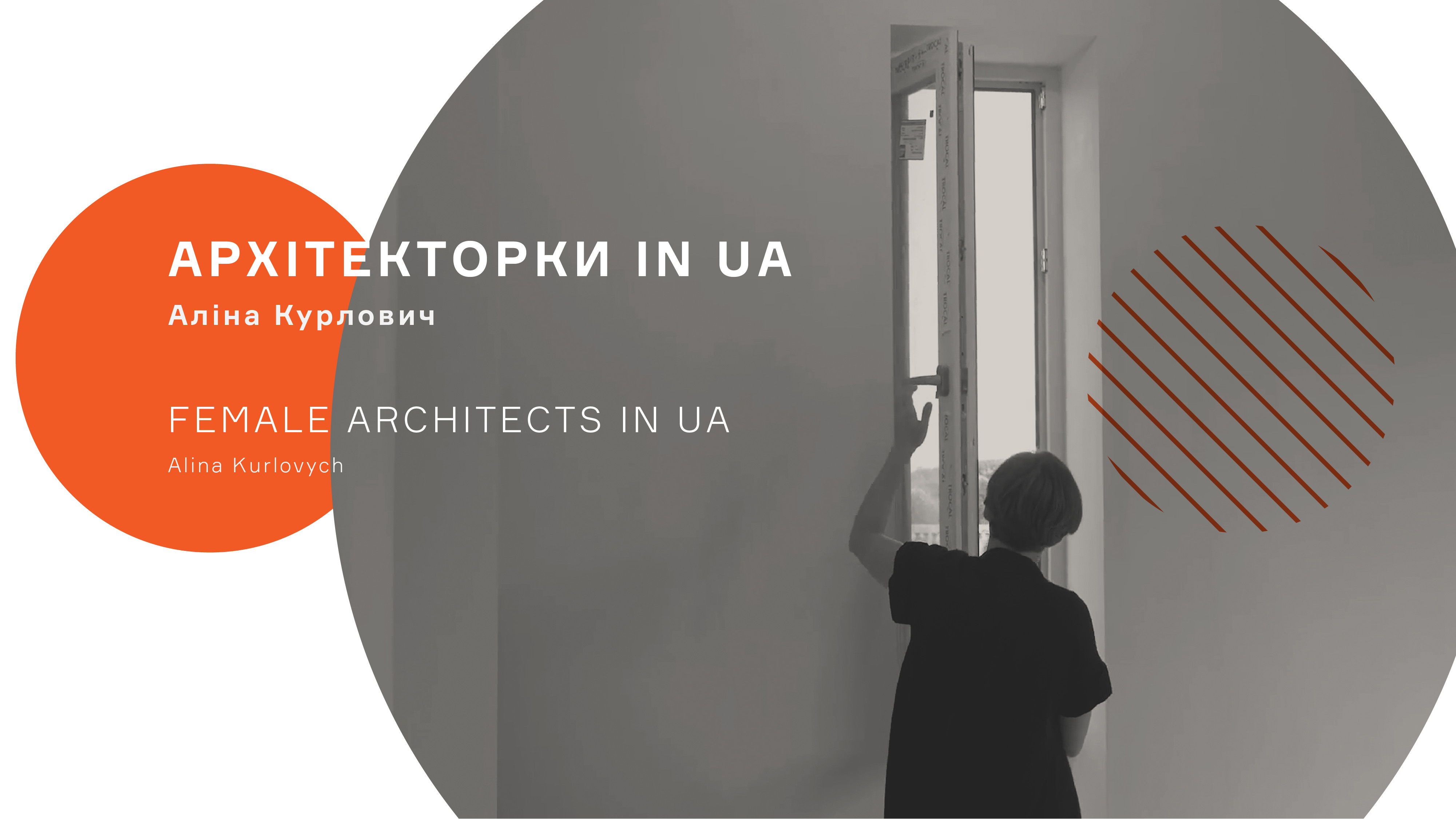
Every one of us, both boys and girls, after having finished school need to make a tough choice of our future trade. We do not always choose it on our own though. Our family and the society assert all along that this occupation “doesn’t befit women/men”, “you won’t make much money with it”, “this is not a prestige profession”. Even if you managed to get what you had craved for and entered your dream architectural college, the challenges do not end there.
Read more
Every summer my brothers and I used to go to the summer cottage that belonged to our mom’s parents.
Read more